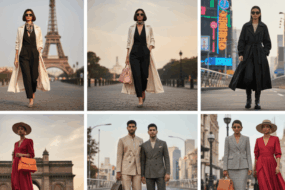


Consumer Profiles That Will Shape the Fashion & Lifestyle Market in 2027
The fashion world is on the brink of one of its most dramatic shifts in decades—not driven by silhouettes or fabrics, but by the deeply evolving psychology of the consumer. By 2027, brands will no longer design for broad demographics like age or gender. Instead, they will respond to mindsets, digital behaviour, values, and emotional identities.
The next generation of consumers is fluid, expressive, culturally aware, and technologically empowered. They don’t fit neatly into traditional marketing boxes. They don’t buy because something is trendy—they buy because something feels aligned with who they are and who they are becoming.
At Stylegods, we decode the six emerging consumer personas that will define what people wear, how they shop, and how they perceive fashion in 2027.
1. The Digital Dreamers: Living Between Realities

The first and fastest-growing profile is the Digital Dreamer—a consumer equally invested in their physical and digital identity. Their wardrobe is not limited to fabric; it extends into avatar skins, virtual accessories, AI-generated outfits and fashion that lives on screens.
They see no conflict between reality and virtuality. Instead, they embrace both worlds as expressions of who they are. Digital Dreamers will shape demand for augmented try-ons, virtual fashion drops, digital collectibles, and hybrid collections that echo both aesthetics.
For them, fashion is a playground of imagination—and brands that innovate in digital expression will earn their loyalty effortlessly.
2. The Conscious Minimalists: Choosing Less, Choosing Better
A direct response to years of hyper-consumerism, Conscious Minimalists are redefining what it means to live well. For them, fashion is not about volume but intention. They seek quality, durability, ethical sourcing and timeless style over seasonal hype.
Their wardrobes are smaller but more powerful. Every piece must serve a purpose—comfort, craftsmanship, emotional value or cultural meaning. Conscious Minimalists represent a growing movement toward responsible luxury, slow fashion and sustainable materials.
By 2027, this group will influence mainstream brands to embrace circularity, transparency and slower design cycles.
3. The New Affluents: Young, Global and Ambitious
Across India, Southeast Asia and the Middle East, a new class of affluent youth is emerging—financially independent, internationally exposed and culturally proud. They believe in upgrading their lifestyle and see fashion as a tool of personal advancement and self-expression.
Unlike traditional luxury buyers, this group wants something different: premium products that reflect their cultural roots, modern aspirations and global taste. They are not impressed by loud logos; they crave contemporary luxury that feels personal, not performative.
Their rising influence will push brands to create premium experiences that speak to regional aesthetics, identity and youth ambition.
4. The Identity Seekers: Fashion as Self-Definition
Identity Seekers represent a generation that uses fashion as a language to express their inner world. They shop based on authenticity, representation, comfort with self and alignment with their values—whether it is gender expression, cultural pride, or emotional well-being.
For them, fashion must feel inclusive. Campaigns must reflect real people. Brands must understand diverse identities. Anything that feels performative or tokenistic is instantly rejected.
By 2027, this segment will push the global fashion industry to adopt deeper inclusivity—not as branding, but as a cultural responsibility.
5. The Local Loyalists: Finding Belonging in Community
After years of globalisation, the pendulum is swinging back toward localisation. Local Loyalists are consumers who trust homegrown brands, micro-stylists, regional craftspeople and small creators that reflect their cultural authenticity.
They prefer community-led storytelling, localised fashion experiences and aesthetic sensibilities rooted in their culture. They value human connection over flashy global marketing, and they choose brands that feel familiar, grounded and relevant to their lived reality.
By 2027, hyper-local communities will create micro-trend ecosystems that move independently from global fashion cycles.
6. The AI-Augmented Consumer: Always One Step Ahead
Perhaps the most transformative profile is the AI-Augmented Consumer—someone who uses machine intelligence to shop smarter, live faster and curate their lifestyle with efficiency. Their decisions are guided by mood-based recommendations, predictive shopping tools, AI stylists and emotionally aware digital assistants.
They expect hyper-personalisation, context-aware suggestions and seamless experiences that understand their needs even before they do. For them, convenience, accuracy and emotional relevance are essential.
By 2027, AI will be less of a tool and more of a collaborator in their fashion journey.
The Intersection of All Six: The Real Opportunity

It’s important to note that these profiles don’t replace traditional demographics—they exist across them. A single consumer can move between these mindsets depending on context, mood, aspirations and phases of life.
A Conscious Minimalist can also be an Identity Seeker.
A Digital Dreamer may simultaneously be an AI-Augmented Consumer.
A New Affluent may also be a Local Loyalist.
The future of fashion belongs to brands who recognise this fluidity and design for complexity—not simplicity.
Conclusion: The Future Consumer Is Deeply Human
As we look ahead to 2027, one thing becomes clear: fashion consumers are becoming more emotionally driven, digitally intertwined, culturally expressive and value-conscious than ever before.
The brands that thrive will be those that stop designing for the “average consumer” and start designing for the evolving human experience—multifaceted, nuanced and deeply personal.
The future of fashion is not about predicting trends.
It’s about understanding people.
And those who master this understanding will define the next era of style.

Gallery