

Future Consumer 2027: The New Era of Digital + IRL Fashion Communities
Fashion has always evolved with culture, but by 2027, the shift will be far deeper than changing hemlines or colour trends. The next wave of consumer behaviour is being shaped by an intersection of technology, identity and belonging. People are no longer looking at fashion as something they buy — they are experiencing it as something they belong to.
As we move closer to 2027, the most successful fashion brands won’t be the ones with the largest catalogues or the biggest advertising budgets. They will be the brands that understand communities — digital ones, physical ones, and the powerful spaces where both overlap.
This is the new cultural landscape Stylegods explores today: the rise of Digital + IRL brand communities and how they will rewrite the rules of loyalty, commerce, influence and identity in the fashion world.
Digital Identity: The New Personal Style
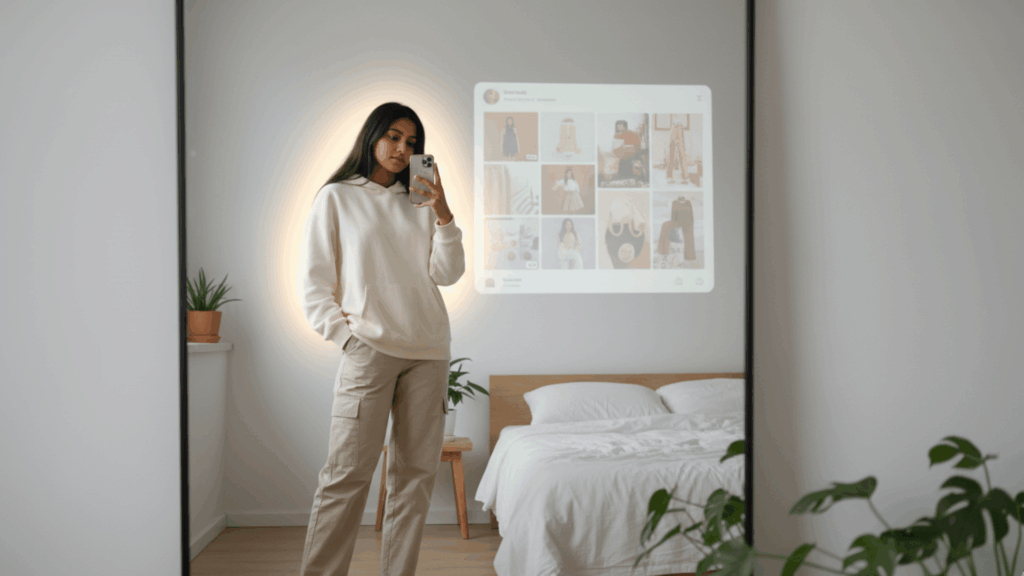
The future fashion consumer will live in two distinct worlds — one grounded in everyday reality and another shaped by digital expression. This shift is already visible in the way Gen Z and Gen Alpha experiment with AI-driven appearance filters, avatar styling, digital collectibles and virtual wardrobes. By 2027, a person’s digital identity will be just as significant as their offline one.
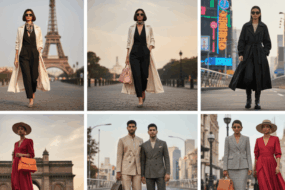
For many young consumers, digital styling is becoming a low-pressure playground where they try new aesthetics without hesitation. It’s a space where identity is fluid, playful and limitless. This digital autonomy creates a unique kind of fashion demand: consumers expect brands to design pieces that translate across screens and streets, between virtual lookbooks and real-life wardrobes.
Brands that merge digital fashion drops with tangible collections will feel culturally native to this audience.
The Rise of Micro-Communities and the Decline of Traditional Influence
Influencer culture as we know it is entering a shift. Mass influence is losing relevance, giving way to communities led by niche creators, micro-stylists, and hyper-local leaders. These are not celebrities with millions of followers — they are community anchors who reflect their audience’s aesthetic, mood and values with intimacy.
By 2027, consumers will trust micro-communities far more than broad, aspirational influencers. People are seeking authentic voices, not perfectly curated personas. They want humans who look like them, shop like them and understand their everyday context. Influence, therefore, becomes smaller but more intense — and far more powerful for brands who know how to activate it.
IRL Experiences Become the New Status Markers

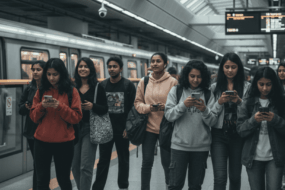
After years of digital overload, the desire for real, human experiences is growing — especially in fashion. What once felt routine, like visiting a store or attending a launch event, is now treated as a form of cultural participation.
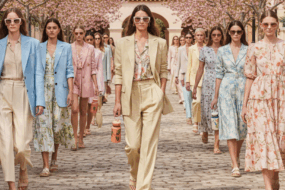
By 2027, the most coveted fashion moments will be intimate, exclusive and immersive. Limited-edition pop-ups, secret drop events, designer-led workshops and hyper-local gatherings will become the new status symbols. Consumers won’t just be buying clothes — they’ll be joining a moment, a memory, a community.
This merging of digital anticipation with physical experience creates a powerful loop. A drop announced digitally builds excitement; the IRL event deepens loyalty; and the online conversation after the event spreads brand influence further. Brands that master this cycle will create consumer relationships far stronger than traditional advertising could ever produce.
From E-Commerce to Community Commerce
As social platforms evolve and AI integrates deeper into consumer journeys, shopping is shifting toward what we call community commerce. Instead of browsing alone, people are discovering and buying products through conversations, recommendations and shared spaces — WhatsApp groups, Discord communities, micro forums and brand-led chat hubs.
By 2027, community commerce will feel more natural than traditional e-commerce because it mirrors how people talk about fashion in real life. It’s social, emotional and rooted in belonging. Brands will need to create digital spaces where consumers can connect, explore, express and shop together — not in isolation.
Purpose-Driven Communities Become the Heart of Brand Loyalty
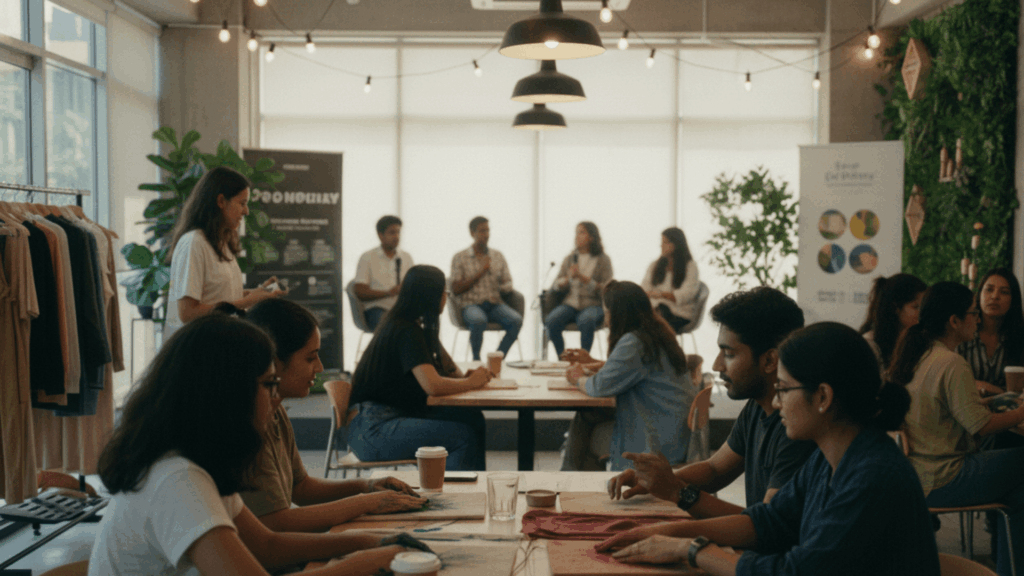
Trends no longer drive loyalty — values do. The future consumer is looking for fashion that aligns with their worldview. Sustainability, inclusivity, identity expression and cultural representation are no longer “brand add-ons.” They are the core of why a consumer chooses a product.
Fashion communities built on shared purpose will outperform those built on aesthetics alone. Consumers are demanding transparency, empathy and authenticity. Brands that stand for something will stand out.
The Future Belongs to Connected Brands
By 2027, the line between digital and physical fashion cultures will blur completely. A brand will not be defined by its products, but by the world it creates and the community it nurtures.
The fashion consumer of the future wants connection — meaningful, expressive and rooted in shared identity. And the brands that learn to understand these communities, respect them and grow with them, will become the cultural icons of the next decade.
Review Title
There are many variations of passages of Lorem Ipsum available, but the majority have suffered alteration in some form, by injected humour, or randomised words which don't look even slightly believable. If you are going to use a passage of Lorem Ipsum, you need to be sure there isn't anything embarrassing hidden in the middle of text.
8.1
If you use this site regularly and would like to help keep the site on the Internet, please consider donating a small sum to help pay for the hosting and bandwidth bill. There is no minimum donation, any sum is appreciated - click here to donate using PayPal. Thank you for your support.
Pros
- Pors Item One
- Pors Item Two
- Pors Item Three
- Pors Item Four
- Pors Item Five
Cons
- Cons Item One
- Cons Item Two
- Cons Item Three
- Cons Item Four
- Cons Item Five

Gallery