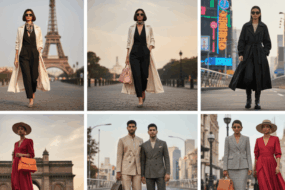


Luxury is being rewritten in 2026. Exclusivity alone no longer defines high fashion—responsibility does. Consumers want pieces that carry meaning, ethics, and long-term value. Sustainability has evolved from a trend into fashion’s defining philosophy.
From craft-based textiles to tech-driven transparency, here’s how sustainability is shaping modern luxury.
The Fabric Revolution
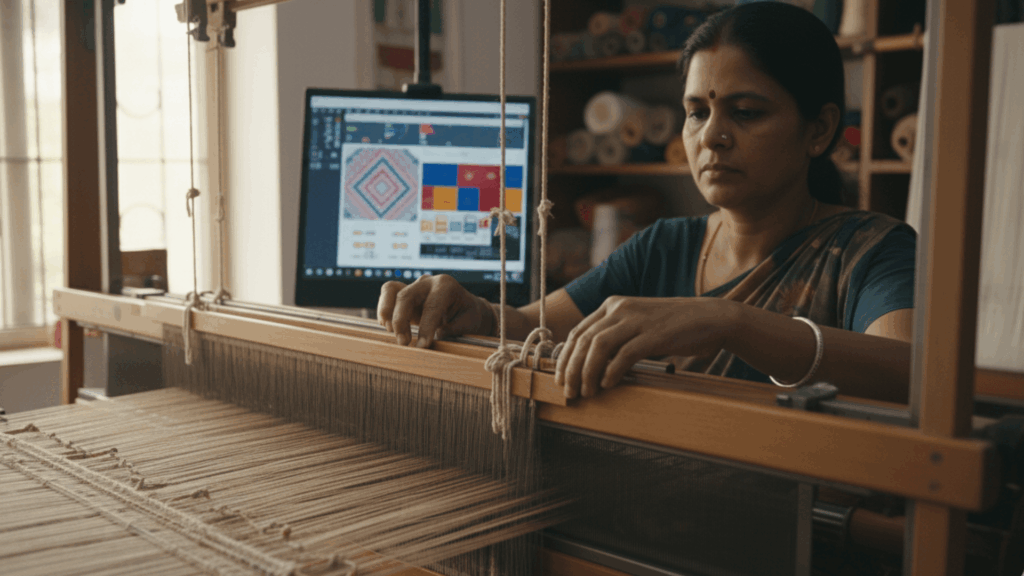
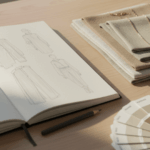
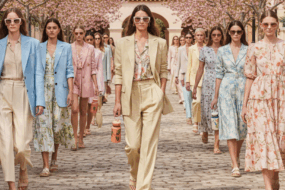
Designers are rethinking the building blocks of fashion: materials. Organic cotton, hemp, bamboo silk, regenerated polyester, and botanical dyes lead the conversation. Indian brands like 11.11 CellDSGN and Khara Kapas elevate natural fibers with contemporary styling, making sustainable fabrics aspirational.
Fabrics in 2026 are chosen as much for ethics as aesthetics.
Circular Fashion Systems
The take-make-dispose model is disappearing. Circularity—upcycling, take-back programs, rentals, and re-commerce—is becoming a standard industry framework. Consumers now value creative reuse and mindful consumption more than constant novelty.
Platforms such as Ziniosa and Poshmark India are driving this change at scale.
Local Craft, Global Luxury
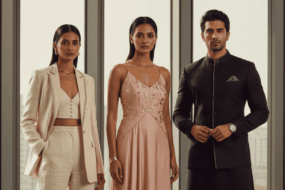
Indian craft traditions—block printing, bandhani, jamdani—continue to influence global runways. Designers merge heritage craftsmanship with modern silhouettes, transforming artisanal work into contemporary luxury.
Labels like Raw Mango, Torani, and Anavila are leading this craft-forward movement.
Green Tech and Transparency

Technology is becoming a sustainability tool. Digital product passports, blockchain-based supply-chain tracking, virtual sampling, and AI-driven predictions help designers reduce waste and increase visibility. Buyers want to know the story behind each garment, and transparency builds trust.
The Future Is Sustainable
By 2026, sustainability is the foundation of modern luxury. The brands that thrive will be those harmonizing ecological responsibility with strong design identity. For the next generation of fashion consumers, luxury must look beautiful and act responsibly.
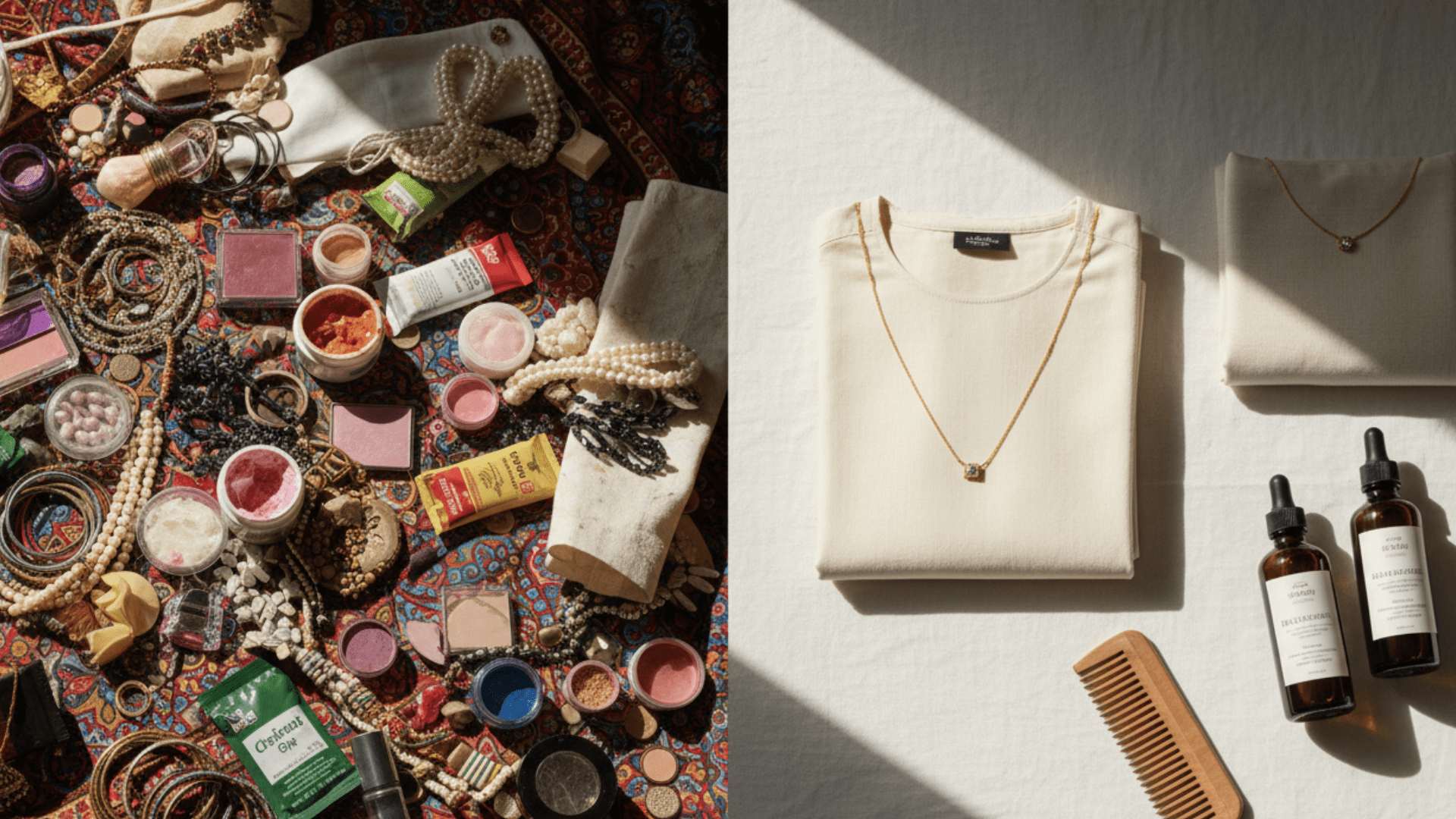

Gallery